
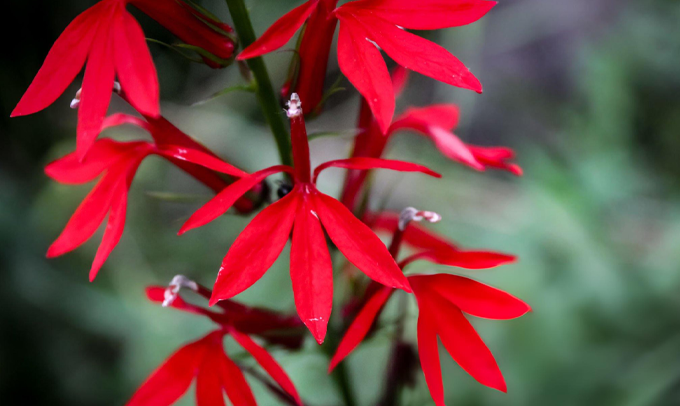
The cardinal flower might not be one of the most popular in the spotlight. However, this flower is one of the most beautiful ones with its unique features and color. Even when you see it from afar.
The name of the cardinal flower itself is somewhat unique in that it resembles the vestiture worn by the Roman Catholic cardinals. If you want to plant cardinal flowers as an addition to the garden, it will be one of the most unique ones because of its unique flower structure.
The cardinal flower was found by a French botanist named Matthias de L’Obel. The flower itself is part of the Campanulaceae or bluebell family that comes in some species. Known as the Lobelia cardinalis L, the flower originates from America, and it was then spread to Europe in the early 17th century. In its natural habitat, this flower is typically found in Iowa, Indiana, Michigan, Missouri, and Brunswick in Canada. Some other places where the cardinal flower thrives well include Mexico, Central America, and northern Colombia.
In the native habitat, the flower loves wet areas such as bogs, swamps, and seeps. You can also find that the flower grows naturally around the pond, lakeshores, and stream banks. Some areas that are common for the cardinal flower to grow include floodplain forests, wet meadows, and marsh margins.
This flower thrives well in certain temperatures with hardiness zones around 3-9. It can survive many types of temperatures, especially winter, but not below -36 Celsius degrees. During summer, this plant can tolerate temperatures around 26 to 33 degrees Celsius.
This flower needs consistent moisture, so it doesn't suit to grow around dry climates. It benefits well if you plant the flower in a cooler region. During the afternoon, protecting the flower from direct sunlight will keep it strong.
The flower has vivid scarlet colors that can grow up to 5cm. The bloom is very unique with a two-lipped structure, which makes it irresistible to pollinators like hummingbirds. The flower has sturdy stems with glossy green leaves. When you plant it in the garden, or you see it growing naturally in its natural habitat, you will see the cardinal flower become the focal point.
The flower can grow up to 71 cm. It has a short life span, which is around 2 to 4 years, and it will do self-seeding. The blooming time typically comes around midsummer and will last into early fall. Each spike will create dozens of blossoms, which can be very attractive due to their flower shapes and structures on the stems.
Speaking about the fragrance, certain species, such as Lobelia cardinalis, do not have fragrance. Meanwhile, the cardinal basil has a strong basil fragrance, which often attracts bees and other pollinators.
It has been a long time since the cardinal flower has been associated with elegance and a symbol of distinction. The red color makes the flower stand out among others. In certain cultures, the flower brings a number of meanings and symbolism depending on how the relationship starts with the flowers. In general, the cardinal flowers are often associated with the following things:
Besides being used in certain ceremonies and events, in some cultures, the flowers are also used for medical purposes. Native Americans used this flower to relieve fevers, cramps, and headaches. So, this flower is not only for decoration in the garden and events, but also a great addition to relieve some health problems.
It is important that when you want to plant a flower, you need to provide an environment that mimics its natural habitat.
That is all our brief article about the cardinal flower. This flower is so underrated that its beauty is forgotten. Adding the flower to your garden will create a beautiful focal point, especially since the flower itself holds special meanings.
If you are a fan of unique flower arrangements, Athaya Florist is the perfect florist shop. We are the leading flower shop that can help you create a beautiful flower arrangement for any kind of occasion. You can add a personal touch to every flower arrangement you request. For more information, contact our team!
