
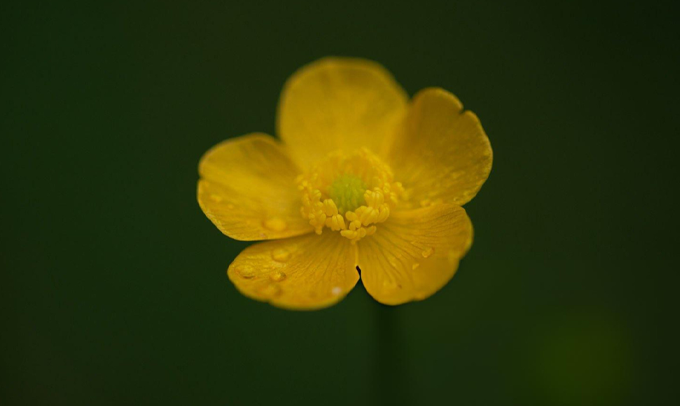
The buttercup flower, botanically known as Ranunculus, is a wildflower that looks simple yet holds a long history, symbolic meaning, and bright, eye-catching colors. Its cheerful yellow petals often decorate meadows and gardens, creating a joyful atmosphere that is hard to ignore.
Buttercups may not be as famous as roses or lilies in classical mythology, but they have long been recorded by early herbalists and naturalists. In the 1st century CE, Pliny the Elder wrote about several Ranunculus species used for external treatments, even though the sap was known to cause skin irritation.
Ranunculus is a very hardy plant. This genus includes more than 600 species and has existed for millions of years. Buttercup fossils have even been found in Miocene layers that are around 20 million years old, showing how long this flower has survived in nature.
Buttercup flowers grow well in moist environments and mild climates. Most species thrive in damp soil and are commonly found in meadows, forest edges, gardens, cultivated land, and other similar areas.
Buttercup flowers have a simple yet attractive shape, with open petals neatly arranged around the center. They usually have five small, shiny petals that give a fresh and cheerful look. The leaves are lobed with rounded edges, adding to the flower’s natural charm.
The most common buttercup color is bright, glossy yellow, similar to gold or fresh butter. This flower does not have a strong scent. Other colors include red, white, orange, and pink, especially in cultivated varieties.
Although there are hundreds of buttercup species, four main types are the most well-known: creeping, meadow, bulbous, and Persian buttercup.
Meadow buttercups bloom from April to October and are commonly found in meadows, gardens, fields, and forest edges. They have five shiny yellow petals and leaves divided into three to seven sections. Although they are toxic to livestock, they often grow freely and form beautiful yellow fields during the summer.
Creeping buttercups bloom between May and August and are the most commonly seen type. They have creeping stems that help them spread easily across lawns, gardens, and open areas. Their open flower shape makes them easy to pollinate by short-tongued bees.
This type blooms earlier, from March to May. Although the flowers look similar to other buttercups, the plant grows from a bulb-like stem underground and is often found in chalk grasslands, rocky soil, and roadside areas.
Persian buttercups have a more striking appearance, with long stems and many-layered petals. They are native to the Mediterranean region, Southwest Asia, and North Africa. This type of Ranunculus is widely grown as an ornamental flower and is very popular in flower arrangements.
Creeping buttercups have a long history in traditional medicine. In the past, they were used to treat wounds, skin problems, and digestive issues. However, fresh buttercups are toxic and can cause skin irritation and stomach problems.
Modern research shows that buttercups contain antibacterial and antifungal compounds, which may help treat skin infections, eczema, and inflammation. Even so, their use is no longer common because of the risk of irritation and should only be done with proper processing and expert guidance.
Buttercup flowers or Ranunculus can be planted in pots or directly in the garden, depending on available space and decoration needs. Before planting, make sure the soil has good drainage to prevent water from pooling.
The best time to plant is at the end of the dry season or before winter, as cooler temperatures help the tubers or seedlings grow strong roots.
Ranunculus is easy to care for and does not need special treatment. Keep the soil moist but not too wet, and water the plant when the surface of the soil feels dry.
Avoid strong direct sunlight, as it can cause the plant to wilt quickly. A bright area with indirect sunlight is ideal for healthy growth.
Ranunculus seedlings can be moved to a larger pot or garden bed once they have about 4–5 leaves. This gives the roots more space to grow.
Ranunculus grows well during the rainy season, but its growth may slow or stop when temperatures become too hot. Therefore, maintaining proper temperature and soil moisture is important.
Although Ranunculus looks beautiful, it is toxic if eaten. Extra care is needed if the plant is grown in areas accessible to children or pets. It is best to plant it in a safe place or provide supervision so its beauty can be enjoyed without risk.
Modern studies show that buttercups have antibacterial and antifungal properties that may help fight infections. Their anti-inflammatory effects have also been used to reduce redness and irritation from skin conditions such as eczema, psoriasis, minor cuts, and scrapes.
With its bright yellow petals that bring a cheerful and energetic feel, buttercup flowers are a perfect choice to create a warm and happy atmosphere for special moments.
Athaya offers a wide selection of fresh flowers arranged into flower boards, wreaths, beautiful bouquets, and many other floral designs. We also provide selected buttercup arrangements, carefully crafted for beauty and safety.
You can enjoy the natural charm of buttercups as a symbol of happiness, attraction, and positive energy through Athaya’s floral creations. Perfect for gifts, event decorations, or meaningful expressions. Contact the Athaya team today. We have a lot of flower arrangement collections such as flower basket, money bouquet, standing flower bouquet and many more.
