
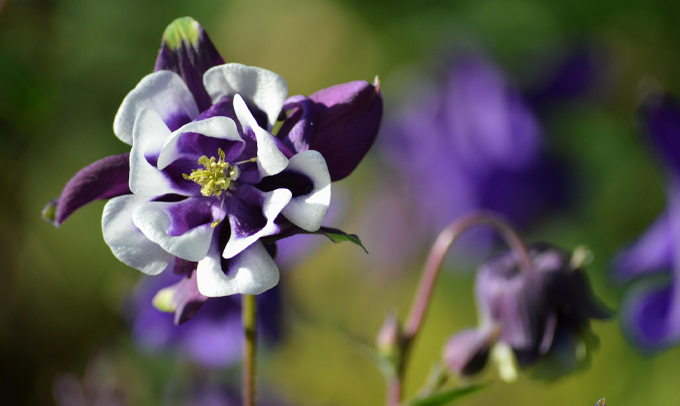
Aquilegia, commonly known as the Columbine flower, is a unique and graceful plant admired for its delicate shape and remarkable resilience. Among its many species, Aquilegia barbaricina stands out as a rare and endangered columbine native to the Mediterranean region. Despite its fragile appearance, this flower is known for its ability to survive in cold climates and challenging environments, making it both beautiful and resilient.
Aquilegia belongs to the genus Aquilegia and the Ranunculaceae family. Columbine flowers originate from the Northern Hemisphere and are commonly found in highland areas. There are around 70 species of columbine worldwide, and Aquilegia barbaricina is one of them.
Aquilegia barbaricina is an endemic species native to Italy, particularly the island of Sardinia. Due to its very specific habitat requirements, this plant cannot be found easily in other regions and is difficult to cultivate outside its natural environment. Because of this limited distribution, the IUCN Red List has included it among the 50 threatened Mediterranean plant species.
In its natural habitat, Aquilegia barbaricina grows in mountainous regions at elevations between 900 and 1,400 meters above sea level. It is commonly found in moist forests, grasslands, and along riverbanks where the soil remains damp but well-drained.
This species does not tolerate dry or arid soil, although it can still grow under direct sunlight if enough moisture is available. One of its most remarkable characteristics is its cold tolerance. Aquilegia barbaricina can survive temperatures ranging from –1.1 °C down to –12 °C, making it extremely hardy in cold climates.
However, the population of this species continues to decline due to deforestation and habitat destruction. The loss of forest areas also reduces the number of pollinating insects, which disrupts their natural reproduction process.
Aquilegia is a herbaceous perennial plant with a rhizome root system. Aquilegia barbaricina has a slender, brownish stem covered with fine hairs and can grow up to 60 cm tall. Before blooming, the plant often resembles a small shrub, making it vulnerable to being trampled by humans or animals.
The flowers usually bloom in May. Their stems curve gently when in full bloom, creating an elegant appearance. The flower shape is often described as resembling a perched dove or bird, which is one reason why many people are drawn to it as an ornamental plant.
Flower colors vary among individuals, ranging from pure white to soft pinkish-white combinations. The plant also produces capsule-shaped seeds, which, like its roots, are believed to contain cardiogenic toxins and should never be consumed.
Columbine flowers generally symbolize resilience, humility, and quiet strength. Because Aquilegia often grows in highland and harsh environments, it is commonly associated with endurance and adaptability.
In a deeper symbolic sense, Aquilegia represents the balance between fragility and strength. Its delicate appearance contrasts with its ability to withstand cold temperatures, making it a symbol of inner strength, patience, and survival.
In some cultural interpretations, columbine flowers are also linked to protection and spiritual awareness, as their unique shape resembles a guardian figure watching over its surroundings.
Although it appears to be a simple herbaceous plant, Aquilegia barbaricina plays an important role in its ecosystem. The flowers provide nectar for various insects, including moths from the Noctuidae family, which can feed on the nectar without being poisoned.
Another insect, Papaipema leucostigma, is known as one of the main pollinators of columbine flowers. This interaction forms a mutualistic relationship, where insects gain food while helping the plant reproduce through pollination.
Locally, the roots of this plant have traditionally been believed to have medicinal properties, such as treating boils. However, these claims are not supported by scientific research, and consuming any part of the plant is strongly discouraged due to its toxic nature.
Aquilegia can be grown successfully in gardens, especially in regions with cool or temperate climates. While Aquilegia barbaricina is difficult to cultivate due to its protected status, other Aquilegia species are commonly grown as ornamental plants.
The best time to plant Aquilegia is in early spring or autumn. Choose a location that receives partial sunlight or light shade, especially in warmer regions. In cooler climates, full sun is generally acceptable.
Aquilegia prefers moist, fertile, and well-drained soil. Mix garden soil with compost or organic matter to improve drainage and nutrient content. Avoid dry, compacted soil, as it can inhibit root development.
Aquilegia can be grown from seeds or young plants. Seeds can be sown directly into the soil or started in seed trays. Lightly cover the seeds with soil and keep them moist. Germination may take several weeks, especially in cooler temperatures. Space the plants adequately to allow air circulation and prevent overcrowding.
Here are some tips on how to care for and maintain Aquilegia flowers:
Water regularly to keep the soil slightly moist, especially during dry periods. Avoid overwatering, as waterlogged soil can cause root rot.
Aquilegia grows best in cool conditions and tolerates cold weather very well. In hot climates, providing afternoon shade helps protect the plant from heat stress.
Remove faded flowers to encourage healthy growth and prevent excessive self-seeding. Regularly check for pests or diseases, although Aquilegia is generally low-maintenance.
With proper care, Aquilegia plants typically live for a few years, producing elegant blooms each season.
Because of its rarity, elegance, and deep symbolism, Aquilegia Columbine is often admired as a symbol of strength in silence. While endangered species like Aquilegia barbaricina should be protected in nature, cultivated columbine varieties can still be enjoyed responsibly as ornamental plants that bring beauty and ecological value to gardens.
Inspired by flowers like the Aquilegia Columbine, Athaya creates arrangements that reflect beauty, meaning, and subtle elegance. We believe flowers should speak softly yet leave a lasting impression.
Whether you are looking to express resilience, elegance, or gentle confidence, Athaya is here to help you turn those emotions into a beautifully crafted floral arrangement. Feel free to contact our team.
