
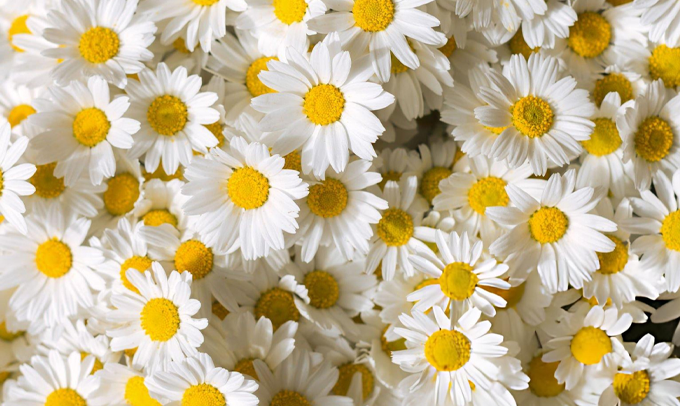
The aster flower has a long history of thousands of years. A lot of myths developed explaining the supernatural power behind this beauty. The flower is one of the most favorite primadonnas among the others in the garden. Its vibrant color steals the spotlight, which attracts pollinators such as butterflies, bees, and even birds.
The flower is categorized as perennials which has daisy-like flowers. Currently, at least 600 species of asters are spreading around the world with a huge variety of colors and types. It is suitable for borders, rock gardens, and wildflower gardens.
The flowers originate from Asia, Europe, and North America. This flower is the typical hardy one that brings beautiful colors during the late season.
The name aster itself comes from the Greek word, which means "star" referring to its shape that looks like stars with multiple petals.
The aster flower thrives well in a diverse range of habitats, from sunny meadows and open fields to moist forests. Depending on the species, each master builds its own uniqueness when it comes to growing in certain areas.
Most asters are easy to grow in many types of areas. Even a lot of them can be tough and adaptable enough to grow around dry and rocky glades, disturbed areas, and also poor soils. However, if you want this flower to grow well, well-prepared and well-drained soil is always the best. Besides, it works best in soil with a pH level of around 5.8-6.5.
In terms of climate, the aster generally loves warmer areas, and it will thrive well in a full sun place. However, you don't have to worry that this flower can tolerate partial shade. Just make sure you don't place the flower under too many shades because it will slow the blooms.
The aster flower is in the same family with daisy, making its shape have a little similarity. In a smaller form, the aster comes in star-like blooms with a wide range of colors. It typically has narrow petals that radiate outward, surrounding the center like a star. The petals tend to be more dense with the yellowish center.
The color is so diverse that it comes in many variants, from purple/violet, pink, blue, white, red, or even yellow or orange. Of course, each color brings special meaning and unique symbolism.
Speaking about the fragrance, in general, the asters don't have an overpowering fragrance. It comes with a very subtle fragrance. Except for the aromatic aster or Aster oblongifolius, with its herby scent, which is very mild.
The aster flower has been around for thousands of years. This flower in the past was also called the "starworts", "Easter daisies", and also "Michaelmas daisies", which refers toa Christian holiday that is celebrated every September 29th.
When it comes to meaning and symbolism, the flower has a lot of meanings depending on the varieties and colors. However, in general, the aster flower is often called a symbol of wisdom, love, color, faith, and also afterthought. As the flower resembles the stars, the flower is always associated with a beautiful meaning. Besides, each country and society has a different relationship with the flower, for example, as follows:
In certain cultures, like Greece, the flowers have different folklore. One of them is to burn the aster leaves to ward off the spirits and snakes. Besides, the flowers have a special place in the altar wreaths as they are believed to be sacred and considered to be the symbol of love.
Meanwhile, for the native American tribes, the flower is used for medical purposes, where they burn the flowers and the leaves. Additionally, the aster flower is also used for spiritual purposes.
Growing asters in your garden is generally easy. The best way to make the flower thrive well is to mimic its natural habitat. The best time to plant the flower is during the spring season. In this case, make sure to create space between the flowers to allow enough room for the flowers to grow.
Asters are also the typical flower that needs a lot of sun, but it doesn't mean you have to place it under constant heat. Giving enough sunlight for the flowers will help them thrive, and if you live in an area where you get more shade, the flowers can survive too, as long as they can get enough sunlight during the day. If you allow your plants to grow in a very shady area, they will have fewer blossoms, and the growth will be stagnant.
In terms of watering the flowers, the asters are generally drought-resistant. However, it thrives better in soil that is consistently moist. Additionally, during winter, the aster flowers are hardy enough that you don’t need to do extra care. However, during extreme climates, consider layering using mulch for extra insulation.
Speaking about fertilizing, you can use slow-release fertilizer in the spring and avoid doing it too much, as it will lush the foliage and also result in fewer flowers.
For pest and disease management, make sure to watch out for the powdery mildew and aphids. You can treat the disease using fungicides early when they appear. Or, you can use insecticidal soap for pest control. If you want to have a more organic garden, you can use biological control.
Some of you might love the aster flower and think of getting some bouquets or other flower arrangements. While growing asters on your own is time-consuming, you can order your favorite flower from Athaya Florist. We are one of the leading florists in Indonesia with a huge variety of designs and product choices. From bouquets, standing flowers, to flower boards, we are here to help you create the best flower arrangement that you can also add a personal touch for your special occasion. Contact our team for more information and a consultation.
