
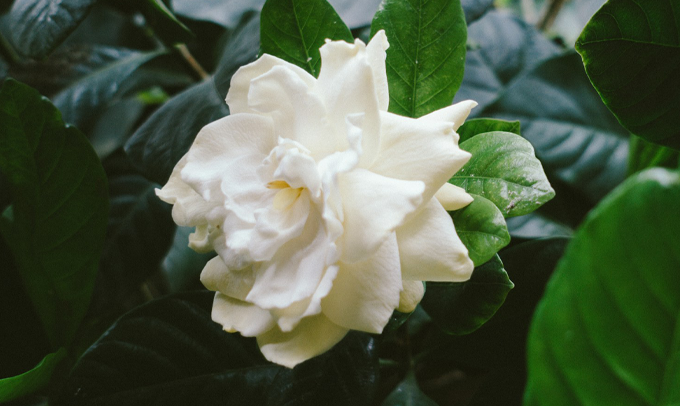
The gardenia flower is known as one of the most charming ornamental plants, combining visual beauty with a fragrant aroma. Its pure white to creamy blooms are often associated with elegance, purity, and romance. It is no surprise that gardenia is widely favored for decorating gardens, home terraces, and is also used as a cut flower and gift arrangement. Behind its graceful appearance, gardenia has specific growth characteristics and care requirements that need attention in order to grow well and bloom optimally.
Gardenia originates from tropical and subtropical regions of Asia, particularly China, Japan, and India. For hundreds of years, this plant has been known and cultivated for the beauty of its flowers and its distinctive fragrance.
The name Gardenia was given in honor of Dr. Alexander Garden, an 18th-century naturalist who played an important role in introducing this flower to the botanical world. Over time, gardenia spread to various parts of the world and became one of the most popular ornamental plants in many countries.
Gardenia grows best in warm and humid climates. The ideal temperature for its growth ranges between 18 24°C. This plant prefers sufficient but indirect sunlight, especially gentle morning sunlight. Excessive exposure to strong midday sun can cause the leaves to burn. In terms of growing media, gardenia requires fertile soil with good drainage and a slightly acidic pH level of around 5.5–6.5.
Morphologically, gardenia has a fibrous root system with woody, upright, and branching stems. The leaves are single, oval-shaped, with smooth edges and a glossy green color that adds a fresh appearance to the plant.
The flowers usually grow singly, either from the leaf axils or at the tips of branches, and are white to creamy in color. The most distinctive feature of gardenia flowers is their strong, soft, and elegant fragrance, which is often used in the perfume industry due to its calming effect.
Gardenia flowers carry deep symbolic meanings. Their white color represents purity, sincerity, and innocence. The fragrant aroma is often associated with deep and romantic love. In addition, the elegant shape of the flower reflects natural beauty and simple grace. Gardenia is also often interpreted as a symbol of “hidden beauty,” as the flowers frequently bloom modestly among dense green leaves.
Planting gardenia requires special attention, but it is not too difficult when done correctly.
Gardenia should be planted in a location that receives sufficient morning sunlight while being protected from harsh midday sun. Proper lighting helps the plant grow healthily without causing leaf burn.
Use a loose, fertile growing medium with good drainage. A mixture of garden soil, compost, and sand or rice husk charcoal is highly recommended. Gardenia prefers slightly acidic soil, so adding organic matter can help maintain proper soil pH balance.
Gardenia can be planted in pots or directly in the ground. Make sure the planting hole is deep enough to allow the roots to develop properly. After planting, gently press the soil around the plant and water until the growing medium is evenly moist.
Gardenia requires regular watering, especially during hot weather. The soil should remain moist but not waterlogged, as excess water can cause root rot. Watering is best done in the morning or late afternoon.
To support healthy growth and abundant flowering, fertilize gardenia regularly using flowering plant fertilizer or NPK fertilizer with higher phosphorus and potassium content. Routine fertilization helps gardenia grow stronger and bloom more frequently.
Pruning is necessary to maintain the plant’s shape and encourage new flower growth. In addition, regularly check the plant to prevent pest and disease attacks. Maintaining air humidity around the plant is also highly recommended, as gardenia thrives in a humid environment.
Gardenia can be propagated through several methods. The most common method is stem cuttings by selecting healthy stems about 10–15 cm long and planting them in moist growing media. Air layering is also frequently used and has a fairly high success rate. Propagation by seeds is possible, but it takes longer and has a lower success rate compared to vegetative methods.
Several types of gardenia are commonly cultivated, including:
This is the most commonly found and widely cultivated type of gardenia. It has bright white flowers with a very strong fragrance, similar to jasmine. Gardenia jasminoides is often used as a garden ornamental plant as well as a cut flower due to its classic and elegant appearance.
This type is smaller or dwarf-sized, making it suitable for small pots, balconies, or minimalist gardens. Despite its compact size, its flowers still have the distinctive soft and calming gardenia fragrance.
Unlike other types, Gardenia thunbergia has larger and more striking flowers. Its fragrance is not as strong as jasminoides, but its appearance makes it a standout ornamental plant in gardens.
Besides being an ornamental plant, gardenia fragrance is widely used in the perfume industry because it is believed to provide relaxation and improve mood. Gardenia is also often chosen as a gift flower or elegant floral arrangement to express love, sincerity, and appreciation. The combination of visual beauty and distinctive fragrance makes gardenia a special choice for many meaningful occasions.
The elegant white color and soothing aroma of gardenia flowers make them an excellent option for special moments. Gardenia looks especially captivating when arranged into bouquets or meaningful floral arrangements. Its fragrance creates a warm, romantic, and classy impression, making it suitable as a gift for loved ones, expressions of gratitude, or complements to special events.
Through Athaya, the beauty of gardenia flowers is presented in floral arrangements designed with a sweet and stunning touch. Athaya selects fresh, high-quality flowers and arranges them harmoniously so that each creation can convey emotions in an elegant way. Whether for gifts, decorations, or expressions of affection, Athaya is ready to help you present gardenia in unforgettable and meaningful floral arrangements. Contact our team now to get the best offer.
